
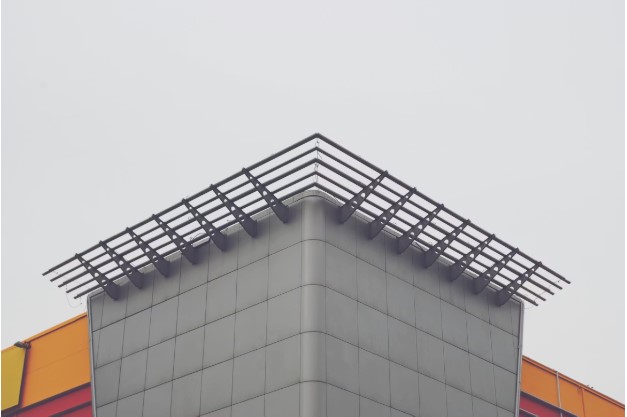

Awnings for commercial buildings offer numerous benefits, from enhancing curb appeal to providing shade for customers and protecting storefronts from the elements. However, seasonal changes and weather conditions can impact their performance and longevity.
Understanding how awnings respond to sun, rain, and wind helps businesses make informed decisions about design, materials, and maintenance. This knowledge ensures that awnings remain functional and attractive throughout the year.
Performance in Intense Sunlight
Exposure to direct sunlight is one of the most common challenges for awnings. Prolonged sun can cause fading, discoloration, and weakening of fabrics and materials over time. High-quality awnings for commercial buildings use UV-resistant fabrics and coatings to minimize sun damage.
Choosing light-reflective colors and durable materials like acrylic or solution-dyed fabrics helps maintain color and strength, ensuring that the awning continues to provide effective shade while enhancing the building’s aesthetic appeal.
Handling Rain and Moisture
Rain presents another significant challenge for awnings. Water accumulation can lead to sagging, mildew, or structural strain. To address this, commercial awnings are often designed with a slight slope or pitch, allowing water to run off efficiently.
Waterproof or water-resistant materials, such as coated polyester or vinyl, are commonly used to prevent water penetration and reduce the risk of mold and mildew. Regular inspection and cleaning also help maintain drainage and prevent water-related damage.
Withstanding Wind Conditions
Wind is a critical factor in determining the durability of awnings for commercial buildings. Strong gusts can cause tearing, detachment, or structural damage if the awning is not properly designed or anchored. Retractable awnings provide an advantage in windy conditions, as they can be retracted when high winds are forecasted, reducing the risk of damage.
Fixed awnings require sturdy frames made of aluminum, steel, or other robust materials, along with secure mounting systems to withstand wind loads. Proper installation and regular maintenance are essential to ensure safety and longevity.
Seasonal Considerations
Different seasons bring unique challenges for awnings. In hot summer months, UV protection and ventilation are critical, while fall and winter bring rain, snow, and ice accumulation concerns.
Seasonal adjustments, such as retracting awnings during harsh winter storms or cleaning debris after storms, help preserve structural integrity and extend lifespan. Understanding local weather patterns allows business owners to take proactive measures to protect their investment.
Maintenance and Longevity
Regular maintenance is key to ensuring that awnings continue to perform effectively across all weather conditions. Cleaning fabric surfaces, inspecting frames, and checking for loose fasteners are essential practices.
Applying protective coatings or treatments can also enhance resistance to sun, moisture, and wind damage. By combining high-quality materials with consistent care, businesses can maximize the lifespan and functionality of their awnings for commercial buildings.
Conclusion
In conclusion, awnings for commercial buildings face a variety of seasonal and weather-related challenges, including sun exposure, rain, and wind. By selecting durable materials, incorporating proper design features, and maintaining the structure regularly, businesses can ensure their awnings remain functional, safe, and visually appealing year-round.
Understanding how awnings perform under different conditions allows business owners to make informed choices and protect their investment while enhancing customer experience and building aesthetics.